Nigeria

In brief

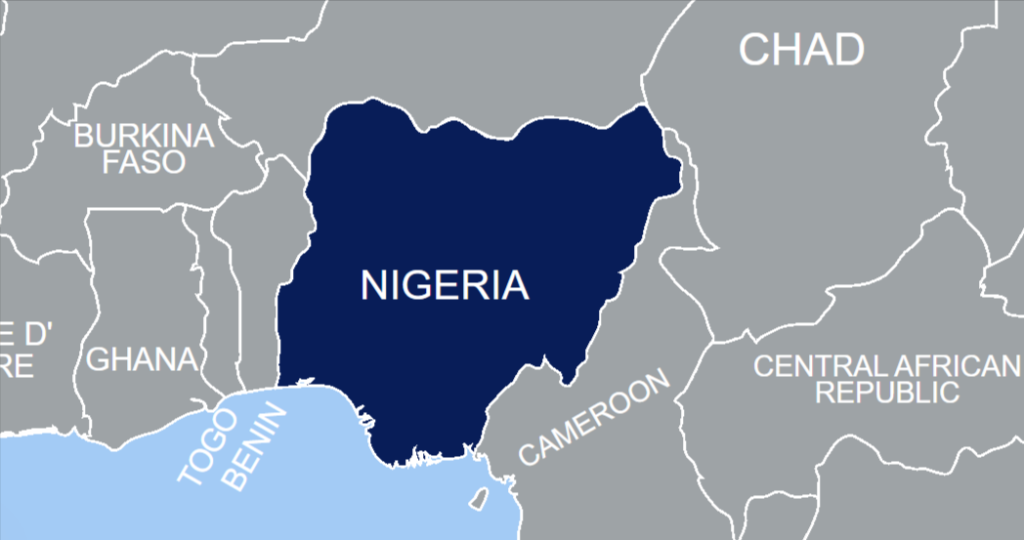
Nigeria, located in West Africa, is a country with a rich history and contemporary complexity, often referred to as the “giant of Africa” ​​due to its demographic and economic weight. Its historical roots lie in a tapestry of sophisticated pre-colonial civilizations, including the Nok civilization, the Kanem-Bornu Empire, the Hausa states, the centralized administrative structures of the Oyo and Benin empires, and the largely decentralized Igbo society, among others.

These diverse ethnic and political entities were unified into a single administrative unit through the 1914 Amalgamation process undertaken by the British colonial authorities, a move that fundamentally shaped the country’s modern borders and internal tensions.

Following independence in 1960 and the subsequent transition to a republic in 1963, the country experienced a turbulent political period marked by successive military interventions and a devastating civil war from 1967 to 1970.

With the return of democratic rule in 1999, the Fourth Republic was established, marking the longest continuous period of civilian rule in the country’s history, despite ongoing structural challenges related to federal power-sharing and constitutional reform.

As of 2026, Nigeria maintained a pivotal role in regional geopolitics as a leader within the Economic Community of West African States (ECOWAS), although it faced a multifaceted governance environment under the current federal administration.

The economy experienced a period of cautious optimism, with the Central Bank of Nigeria projecting GDP growth of around 4.5%, driven by non-oil sectors such as fintech and digital services, and the Comprehensive Economic Partnership (CEPP) agreement with international partners. Despite the significant security challenges facing the country, including the insurgency in the northeast and banditry in the northwest, Nigeria has intensified regional intelligence sharing and global security partnerships to stabilize conflict zones.

Meanwhile, the education sector is implementing a comprehensive curriculum development plan for the 2025/26 academic year, focusing on vocational training and digital literacy to keep pace with global technological trends.

Culturally, Nigeria remains a global power; the Nigerian film industry (Nollywood) and Afrobeats continue to serve as key instruments of soft power, effectively enhancing Nigeria’s influence on the global media landscape.

– 2023 Geopolitical Risk Final Index: 6.32 (High-risk *1).

– 2024/2025 Ibrahim Index of African Governance (IIAG): 45.7 out of 100.0 (*2).

– 2025/2026 IMF projections (Nominal GDP): approximately $334 billion (*3). 

– 2024 Standard Bank Africa Trade Barometer (SB ATB): 50 / 100 overall score (*4)

– 2024 Security Threats Index: 8.7 (on a 0-10 scale *5).

– 2025 Global Peace Index (GPI): 2.869 (Overall Score), and 148th out of 163 countries (Global Ranking *6). 

– Africa Regional Integration Index: High Performer (*7).

2024 KOF Globalisation Index: 53.49 / 100 (Overall Score), and 116th out of 190 countries (Global Ranking) *8.

– HE Global Rankings (2026): 1st in Sub-Saharan Africa by volume (24 universities ranked); World Bank HCI: 0.36 (lower than the Sub-Saharan Africa average score).
– 2025 Global Innovation Index (GII): 105th (out of 139 countries *9); 2025 Government AI Readiness Index: 72nd (Globally *10).

2026 Global Soft Power Index: Global Rank: 71st (up from 77th in 2025) (*11).

Media Trust & Consumption / 2025 Edelman Trust Barometer: 63% trust level in media (*12).

New Publications

-100 Adapting to Climate Crisis in Africa: The Impacts of Technology and Small Businesses

Adapting to Climate Crisis in Africa: The Impacts of Technology and Small Businesses

Original price was: $3.00.Current price is: $0.00.
-100 Alafarika’s Recap: What Happened in Africa in 2025, and What to Expect in 2026

Alafarika’s Recap: What Happened in Africa in 2025, and What to Expect in 2026

Original price was: $3.00.Current price is: $0.00.

Situation Reports

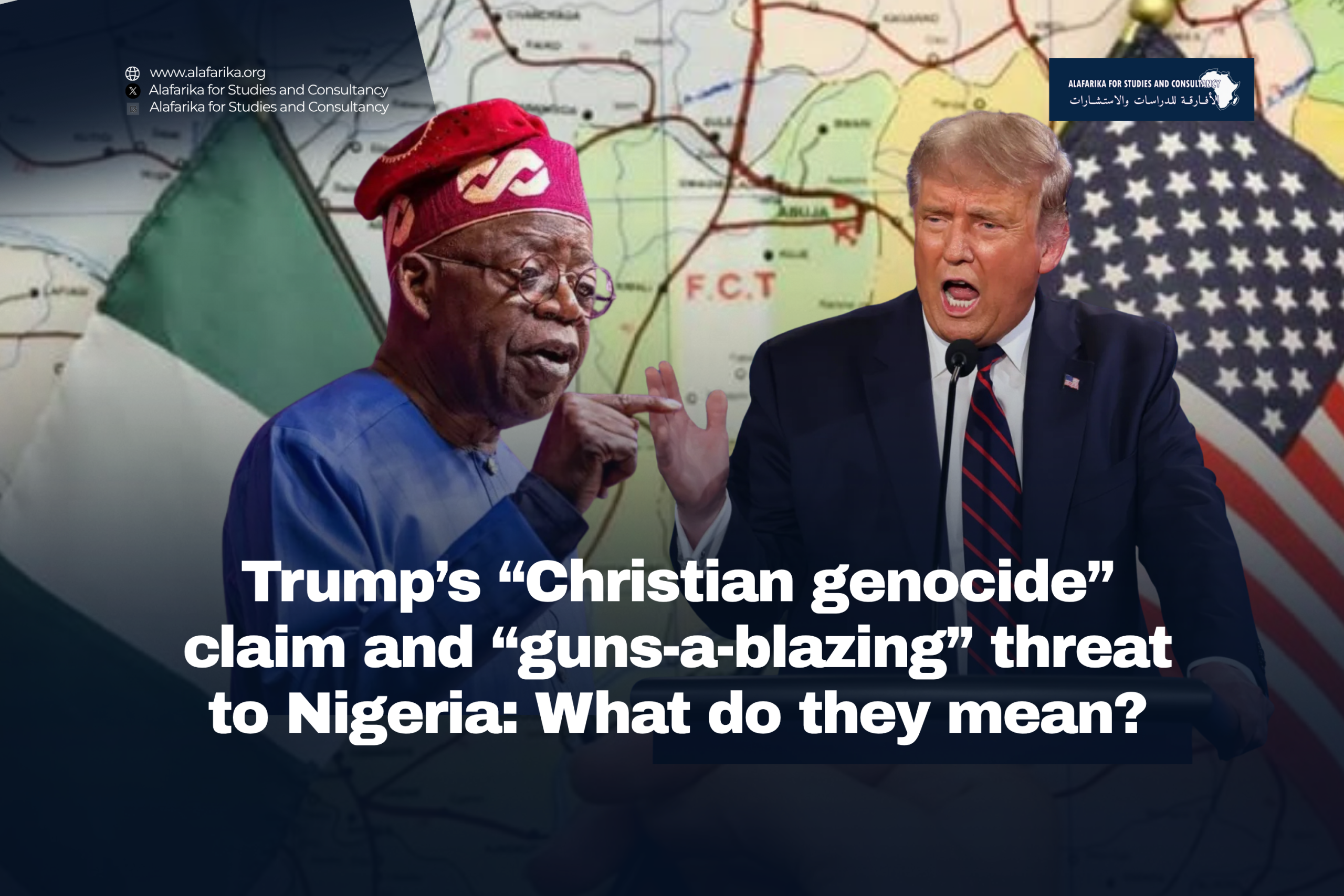
Assessing the Northern Nigeria’s Persistent Insecurity and the New US-Nigeria Strategic Partnership

Nigeria enters 2026 with insecurity still persisting, as there are intensified operations…
Nigeria’s BRICS Partnership Could Be a New Frontier for African Trade and Investment

Nigeria's BRICS membership presents both opportunities and challenges for the country. While…

Africa’s 2024 Recap and What to Expect in 2025

Africa, second largest continent on Earth, will become a pivotal player in…
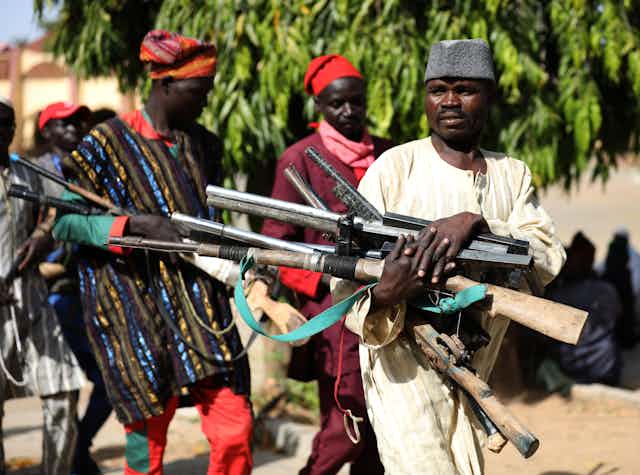
Lukarawa Terror Group: A New Threat to Nigeria’s Security Landscape

Lakurawa is not an entirely new phenomenon. The group’s ideological and operational…
Analyses

The Recruitment of African Youth in the Russia–Ukraine War and Its Implications for the Continent

Africa’s youth has long been celebrated as the continent’s potential demographic dividend.…
*1 – This is based on the Geopolitical Risk Index, which classified scores from low-risk (countries with a final score below 4) to medium-risk (countries with a final score between 4 and 5) and high-risk (countries with a final score above 5).

*2 – Or 33rd out of 54 African countries (below the African continental average of 49.3 and significantly lower than the West African regional average of 52.6).

*3 – 48th largest economy globally and 4th largest in Africa (behind South Africa, Egypt, and Algeria, following significant currency devaluations).

*4 – An increase from the 32/100 recorded in the previous year. The country now ranks 5th out of the 10 key African markets surveyed. 

*5 – This is based on The Global Economy’s Security Threats Index, which ranks countries from 0 (low) to 10 (high). The 8.7 index points is a decline from 9 index points in 2023, which is due to challenges including terrorism, kidnapping, and violent crime in some parts of the country.

*6 – Nigeria’s ranking in the latest 2025 Global Peace Index (GPI), released by the Institute for Economics & Peace (IEP), has slightly declined as it continues to grapple with internal security challenges.

*7 – In the AFDB Africa Regional Integration Index, Nigeria is classified as a “high performer” in regional policy implementation and regional bloc (ECOWAS) participation. Its top regional partner countries in 2025 are Togo, South Africa, Côte d’Ivoire, Ghana, and Senegal.

*8 – In the latest KOF Globalisation Index (published in late 2024), Nigeria’s ranking reflects a country that is highly active diplomatically but remains relatively isolated in terms of trade and social flows compared to global peers. It is the 15th most globalized country on the African continent.

*9 – Nigeria performs much better in innovation outputs—the things it actually creates, like apps and businesses—than in innovation inputs, which are the building blocks like stable electricity and R&D funding.

*10 – Nigeria recorded its most impressive climb in any technology-related metric. The ranking was driven by the launch of the National AI Strategy and the Nigeria AI Scaling Hub, which moved Nigeria into the global Top 35 for Policy Capacity.

*11 – Nigeria ranks among the top globally for its cultural exports (Nollywood, Afrobeats, and fashion). This “media power” serves as a primary tool for its diplomacy.

*12 – This makes Nigeria one of the leaders in media trust in Africa, second only to Kenya (66%).