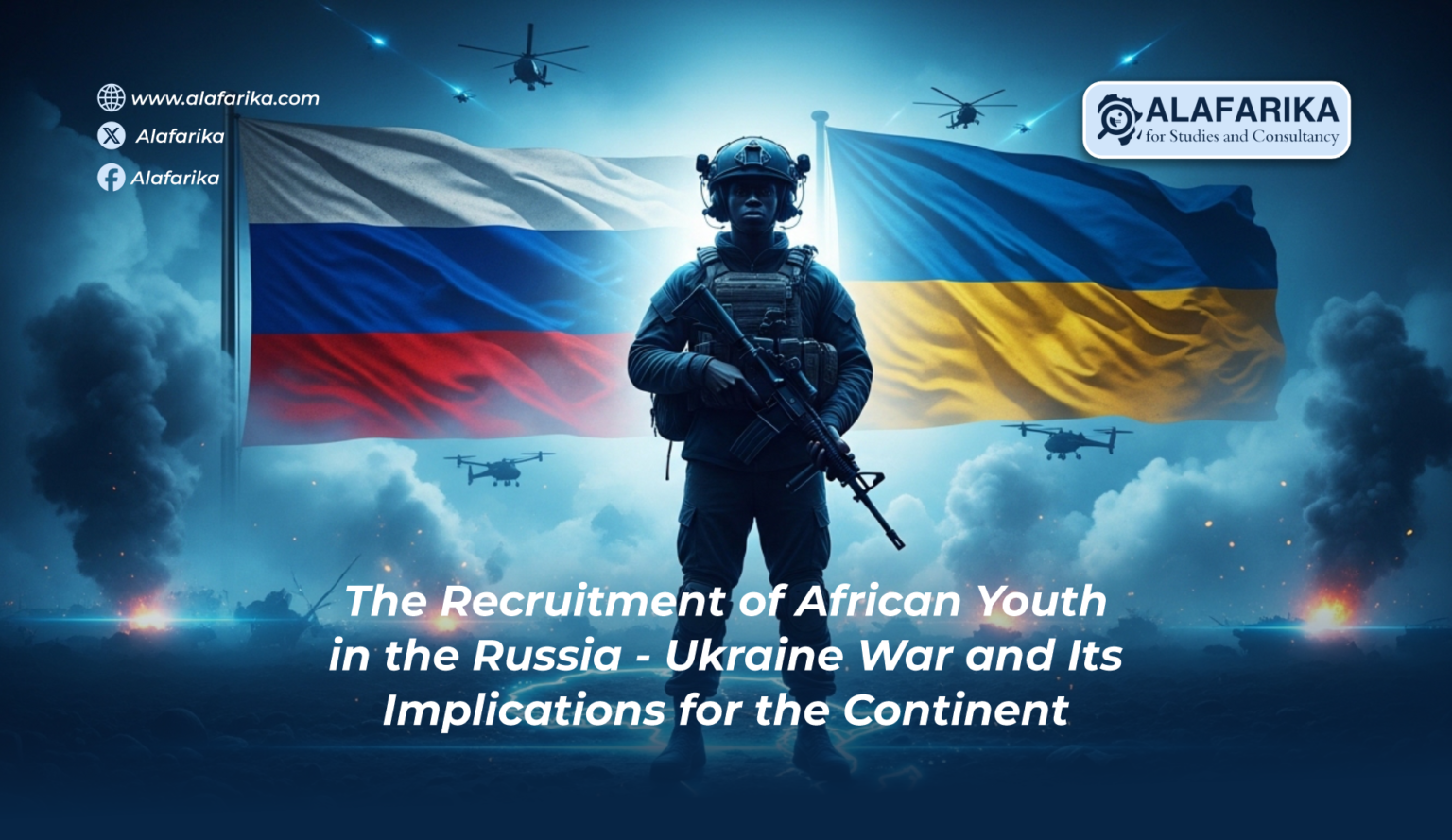
Africa’s youth has long been celebrated as the continent’s potential demographic dividend. Yet, in the shadow of the Russia–Ukraine war, that same youthful energy is being tragically drawn into one of the most consequential conflicts of the 21st century.
The starting point was when media reports indicated that Africans were getting involved in the war when Russia reportedly launched its full-scale invasion of Ukraine in February 2022. Some joined willingly, hoping to earn money or secure opportunities abroad, while others were misled with promises of regular jobs in Russia. What once seemed like a few isolated cases has gradually become a worrying pattern, with recruitment networks drawing many Africans into a war taking place thousands of kilometers away from home.
Ukraine’s foreign minister said that more than 1,780 Africans from 36 different countries are believed to be fighting on Russia’s side. The figure was mentioned during diplomatic discussions in early 2026, according to Kaminuza Star. Some analysts have opined that the number could be even higher, as many of these recruitment efforts operate quietly and appear difficult to track.
However, the presence of African youths in the conflict has raised serious concerns across the continent. Governments, analysts, and civil society groups are now showing concerns about what this trend means for Africa’s youth, diplomatic relations, and security. Beyond the tragic loss of lives, the issue raises broader questions about how easily vulnerable young Africans can be drawn into wars that have little or nothing to do with their own countries.
The war in Ukraine has shown that today’s conflicts do not always stay where they start. Although it began in Europe, its effects are now revealing deeper problems in Africa. These include rising unemployment, poor control of recruitment networks, and the increasing desperation among many young people who are searching for better opportunities outside their countries. The sections that follow take a closer look at how these recruitment networks operate, why African youth are being drawn in, and what the consequences could mean for the continent.
Recruitment Networks and the Expanding Presence of African Fighters
Evidence from journalists, research organizations, and government sources suggests that African nationals are being drawn into the war through a mix of economic incentives, deception, and sometimes coercion. Some recruits are fully aware they are signing up for combat roles, motivated by the promise of high salaries, bonuses, or expedited residency abroad. Others are misled by false job postings for positions as drivers, laborers, or security personnel in Russia—only to discover they have been signed up for military service upon arrival.
Reliable data is scarce, partly because recruitment networks are opaque and operate across borders through intermediaries. Still, official statements and investigative reports shed light on the scale of African involvement.
Table 1: Verified Data on African Participation in the Russia–Ukraine War
| Data Point | Figure |
| Approximate number of Africans fighting for Russia | 1,780+ |
| Number of African countries with nationals involved | 36 |
| Estimated Kenyan recruits | 1,000+ |
| Confirmed Ghanaian deaths | 55 |
| Reported Nigerian recruits | 36 |
Source: Kaminuza Star, Firstpost, THISDAY Live, Punch Newspaper
Kenya is one of the clearest examples of how this recruitment is happening. Reports presented to the Kenyan parliament show that more than 1,000 Kenyans have been recruited. Many of them were initially promised well-paid jobs but later found themselves pushed into combat roles on the frontlines. In Ghana, authorities say at least 55 citizens have died while fighting for Russian forces. In Nigeria, reports suggest that thirty-six young men were conscripted, with some allegedly perishing soon after their arrival in the conflict area.
According to a publication by the Danish Institute for International Studies titled “Russia targeting African migrants in digital recruitment campaigns,” recruitment networks function through a variety of channels. Some leverage social media platforms, while others tap into diaspora communities, migration agents, or even private military contractors. They often take advantage of people who are struggling financially or looking for opportunities abroad. False promises of quick money and a better life make the offers attractive, which makes it harder for authorities to track and stop these operations.
Research shows that recruiters always target youth who are desperately finding jobs and looking for a chance to earn quick money. Hence, for many young Africans who are out of work or under financial pressure, offers like these can sound like a lifeline. When someone has been searching for opportunities for a long time, it is easy to overlook the risks. That mix of hardship, false promises, and the hope of a better income also makes it difficult for authorities to spot these networks early and shut them down.
Some reports indicate that more than 40 percent of those recruited die within their first four months, often after being sent into the most dangerous fighting areas.
Socio-Economic Constraint as Part of Key Drivers
It is crystal clear to note that the decision to join foreign conflicts is closely linked to the situation most youth face at home. Africa has the youngest population in the world, and by 2050 people under 25 are expected to make up a large part of the continent’s population.
Meanwhile, this large youth population could be a strong force for economic growth and new ideas. But the reality is different for many. A lot of young people still struggle to find steady work or reliable income. Recruiters understand this and use it to their advantage. They often promise salaries of about $2,000 to $3,000 a month—far more than what many young people can earn in their home countries. For someone who has spent months or even years looking for work, an offer like that can seem like a rare opportunity.
The idea of travelling abroad, studying, or reconnecting with family members overseas can make the offer even more attractive. But once recruits leave home, they often find themselves isolated. Language barriers, unfamiliar legal systems, and the absence of social support make them far more vulnerable.
At the same time, many youths grow up with little career guidance and very limited information about what these offers really involve, especially when they relate to conflict zones. Without that knowledge, it becomes easier for recruiters to take advantage of them.
Friends and social circles can add another layer of pressure. When someone hears stories of people travelling abroad and appearing to succeed, it can create the feeling that they also need to take the same chance.
Geopolitical Implications for Africa
The presence of African nationals in the Ukraine war has also created diplomatic and security concerns. Governments such as Ghana and Kenya have already reached out to Russian authorities to seek protection and possible repatriation for their citizens.
For many years, African countries have tried to stay neutral in global conflicts. But situations like this make that position harder to maintain. When African citizens are involved, remaining on the sidelines is no longer simple. They must speak up for their citizens while also maintaining relationships with powerful countries involved in the war.
Another concern is what happens when fighters return home. Some may come back with combat experience that could later feed into armed groups, criminal networks, or other violent activities. In regions already dealing with security challenges—such as the Sahel, the Horn of Africa, and parts of Central Africa—this possibility raises serious concerns about future instability.
Recruitment into foreign conflicts can also strengthen outside influence on the continent. Russia’s presence in Africa has expanded in recent years through private military companies, training programs, and strategic partnerships. Each time an African citizen becomes part of these networks, that influence quietly grows. At the same time, human rights organizations have warned about the harsh conditions many recruits face, often being deployed to dangerous missions with very little protection or support.
Policy Recommendations for African Governments
It is pertinent to state that African governments should not afford to ignore this problem. They need to watch recruitment agents and migration brokers more closely so young people are not easily misled. Also, sensitizing Africans is another way to know the risks. Clear information can help people spot offers that look too good to be true before it is too late. And for those already abroad, there should be a need to keep working with other countries to make sure their citizens are protected and supported. It may appear to be a delicate balance, but taking these steps could make a real difference.
Working together across the continent will also matter. Regional bodies like the African Union can help countries align their policies, exchange information, and develop joint approaches to stop the exploitation of African youth across borders.
In the long run, however, the solution lies at home. African governments must understand that creating more jobs, offering practical skills through vocational training, and supporting entrepreneurship can give youth real opportunities in their own communities. This is because when people see a real future in their own communities, they are less likely to take a dangerous path abroad.
Conclusion
It is safe to conclude that the growing number of African youth appearing in the Ukraine war points to deeper issues back home. Many young Africans are struggling with unemployment, rising living costs, and limited opportunities. In that environment, the promise of work abroad—no matter how risky—can be tempting. Weak oversight and poorly regulated recruitment networks only make it easier for these situations to happen.
For African governments, the challenge is both immediate and long-term. First, they must protect citizens who have already been caught up in these conflicts. Second, they need to deal with the problems at home that push young people to take such risks in the first place. This means keeping a closer watch on recruitment activities, helping people understand the dangers, speaking with the countries involved to safeguard their citizens, and supporting those who return so they can start their lives again. African countries will also need to work together, because this issue often goes beyond the borders of any single nation.
According to the United Nations, Africa’s young population is often described as the continent’s greatest asset. Thus, if African youths are given real opportunities, decent jobs, useful skills, and the freedom to be creative, they can help move their countries forward and strengthen society. But that will only happen if they believe they can build a good future at home, instead of feeling they have no choice but to look for uncertain opportunities elsewhere.
The Ukraine conflict serves as a clear reminder that without thoughtful and proactive policies, cycles of exploitation may continue, slowing both national progress and broader continental development.