Sierra Leone’s incumbent President, Julius Maada Bio, emerged as the presidential election winner, securing over 56% of the votes and surpassing the threshold to avoid a runoff. However, his main rival, Samura Kamara, who received around 41% of the votes, rejected the outcome, alleging irregularities and a lack of transparency. International observers and the United States have also raised concerns about the transparency of the counting process. In response, the European Union Election Observation Mission called for releasing disaggregated results data per polling station to ensure transparency. However, the chief electoral commissioner stated that it would take time. President Bio, in his address following the announcement of provisional results, called for peace amidst the tensions. The EU observation mission identified statistical inconsistencies in the results, including discrepancies, invalid votes, and high voter turnout in some districts. The United States, Britain, Ireland, Germany, France, and the EU expressed shared concerns about transparency and logistical challenges during voting, emphasising the importance of peaceful dialogue and respect for the rule of law.
In a separate development, Ethiopia expressed interest in joining the BRICS bloc of emerging markets, according to the country’s foreign ministry. The BRICS group, originally consisting of Brazil, Russia, India, and China, was coined by Jim O’Neill of Goldman Sachs in 2001. South Africa joined the group in 2010. With its growing economy and the second-largest population in Africa, Ethiopia seeks a positive response to its request. However, Ethiopia’s economy, ranked 59th in the world by the International Monetary Fund, is still smaller than that of the smallest BRICS member, South Africa. The BRICS nations collectively represent over 40% of the world’s population and approximately 26% of the global economy. Ethiopia reaffirms its commitment to collaboration with international institutions that safeguard its interests.
Meanwhile, in Morocco, the government recalled its ambassador to Sweden following the burning of a Quran outside a mosque in Stockholm during the Muslim festival of Eid-al-Adha. The North African country strongly condemned the act as offensive and irresponsible. In response, the Moroccan Foreign Affairs Minister summoned the Swedish ambassador to express strong condemnation and rejection of the incident. The protest, organized by an Iraqi Kurd named Salwan Momika, was permitted by the Swedish police despite previous denials of permits for similar demonstrations involving Koran burnings. This decision has sparked controversy, given the history of violent protests and diplomatic tensions that such incidents have ignited. Momika, the organiser of the Sweden protest, emphasised the importance of free speech and democracy. While Swedish politicians have criticised the act, they have also defended the right to freedom of expression.
In a critical assessment, the European Union (EU) observers highlighted problems and reduced public trust in Nigeria’s February general elections. The presidential vote in February had the lowest voter turnout since the end of military rule in 1999. President Bola Tinubu emerged as the winner with 37 percent of the vote, but his victory is being challenged in court by his main rivals, Atiku Abubakar of the People’s Democratic Party and Peter Obi of the Labour Party. The EU mission reported multiple instances of voter intimidation by supporters of the ruling All Progressives Congress. It was noted that election results were not adequately uploaded on a new electronic portal to enhance transparency. The report called for improvements in six priority areas, including clarifying electoral laws, ensuring real-time publication of results, and cracking down on electoral offences. The report also highlighted a lack of transparency and operational failures that damaged trust in the process and challenged the right to vote. The Independent National Electoral Commission (INEC) was urged to address these shortcomings. INEC, however, responded by stating that the report was “unfair” and blaming the delay in uploading presidential election results on a system glitch.
In another development, the UK government’s plan to deport asylum-seekers to Rwanda was ruled unlawful by the Court of Appeal, dealing a significant blow to the controversial immigration policies of ministers. The court overturned a previous high court decision that deemed Rwanda a safe third country for sending refugees. The judgement stated that deportations would breach the European Convention on Human Rights. The British Home Office, however, has the option to appeal to the Supreme Court. The scheme, supported by Home Secretary Suella Braverman, aimed to deport asylum-seekers who arrived in the UK illegally as part of efforts to curb undocumented migration and people-smuggling networks. Human rights campaigners have criticised the policy and welcomed the court ruling. The number of undocumented individuals entering Europe has increased due to conflicts, inequality, and the climate crisis, leading to a migrant crisis across the continent.
Meanwhile, according to an announcement by the government of Zimbabwe, the southern African country reported a cumulative total of 3,017 suspected cases of a cholera outbreak, including 19 confirmed deaths and 52 suspected deaths. Information Minister Monica Mutsvangwa shared the figures during a post-cabinet briefing. As of June 24, 2023, the country had recorded 2,910 recoveries. The case fatality rate (CFR) for all deaths, confirmed and suspected, is 2.4%. All provinces in Zimbabwe have reported cholera cases, with Manicaland having the highest number at 1,251, followed by Harare with 1,121, and Matabeleland South Province with 277 cases. Confirmed cholera deaths have been recorded in Manicaland (12), Harare (3), Mashonaland Central (2), Mashonaland West, and Masvingo, with one case each. The African Region has reported a cumulative total of 154,317 suspected cholera cases and 2,747 deaths. The government, however, expressed its commitment to addressing water and sanitation challenges to curb the spread of the disease. It will implement a multi-sectoral approach led by the Water, Sanitation, and Hygiene Minister.
On Friday, Tanzania lifted the long-standing ban on night-time upcountry bus travel, according to an announcement made by Prime Minister Kassim Majaliwa in parliament. The ban, initially imposed in the 1990s due to road accidents and bus hijackings, was lifted after careful consideration of input from stakeholders in the transport sector and improvements in infrastructure and security. Prime Minister Majaliwa highlighted the government’s commitment to safer and more efficient travel options, citing advancements in infrastructure and security measures. The decision is expected to significantly impact the country’s transport sector, promoting economic growth and providing enhanced travel choices for passengers. However, the Tanzanian Bus Owners’ Association supported the development, anticipating business opportunities and overall industry improvements.
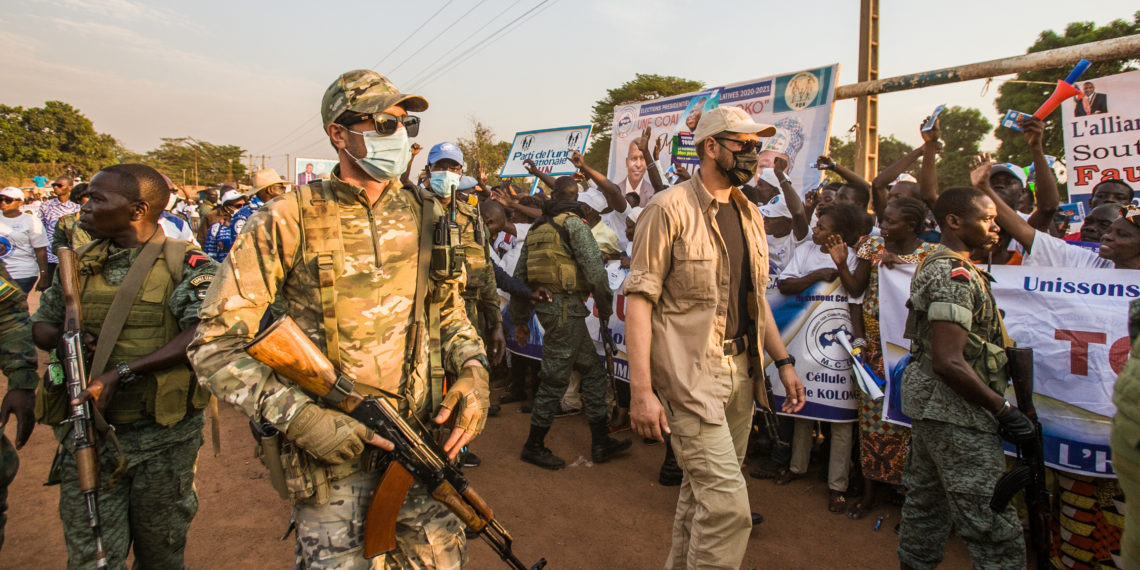
The government of the Central African Republic (CAR) announced that Russia would continue its operations with the Wagner group or another contingent. The announcement was made on Wednesday following Russian Foreign Minister Sergei Lavrov’s statement that the Wagner group will continue to operate as instructors in Mali and the Central African Republic. Despite the recent unrest in Russia, a government official in the Central African Republic emphasised that it will not affect bilateral relations between the two countries. The official also expressed openness to assistance from the United States and France in maintaining order in the country. Wagner’s involvement in the Central African Republic began in 2018 when they arrived to train the local army, and their presence expanded in late 2020 to counter a rebel offensive. However, the Russians, the rebels, and Central African soldiers have faced allegations of human rights abuses and crimes against civilians by the UN, international NGOs, and Paris.
On Tuesday, the United Nations Security Council unanimously passed a resolution extending the authorization for the African Union Transition Mission in Somalia (ATMIS) until December 31, 2023. ATMIS, created to combat the Islamist group Al-Shabaab, will gradually withdraw its forces from Somalia, with a reduction of 2,000 personnel already underway and an additional 3,000 troops scheduled to be withdrawn by the end of September. The resolution allows for a troop ceiling of 14,626 from October to December 2023. Somalia and the African Union will conduct a technical assessment of the drawdown process, with results expected by September 15. The eastern African country also requested the lifting of the partial UN arms embargo, arguing that it hampers their ability to equip their security forces effectively. The embargo, in place since 1992, was renewed by the Security Council in November, although certain weapons intended for Somali security forces development are exempt.
On Sunday, Burkina Faso’s President of the Transitional Government carried out a partial cabinet reshuffle, resulting in the departure of four ministers, including those in charge of Security and Justice. The reshuffle aims to address the country’s pressing challenges, including ongoing jihadist violence and the displacement of millions of people. Emile Zerbo replaced Lieutenant-Colonel Boukaré Zoungrana as the Minister responsible for Territorial Administration, Decentralisation, and Security. Other new appointments include Edasso Rodrigue Bayala as Minister of Justice, Ismal Sombié as Minister of Agriculture, and Roger Barro as Minister of Environment. Key positions such as defence, Mines, Finance, and Foreign Affairs remain unchanged. Burkina Faso has been grappling with coups in 2022 and a surge in violence, with over 10,000 lives lost. The government aims to hold elections in July 2024 to restore civilian rule, and the reshuffle is seen as a step towards addressing the complex security situation in the country.