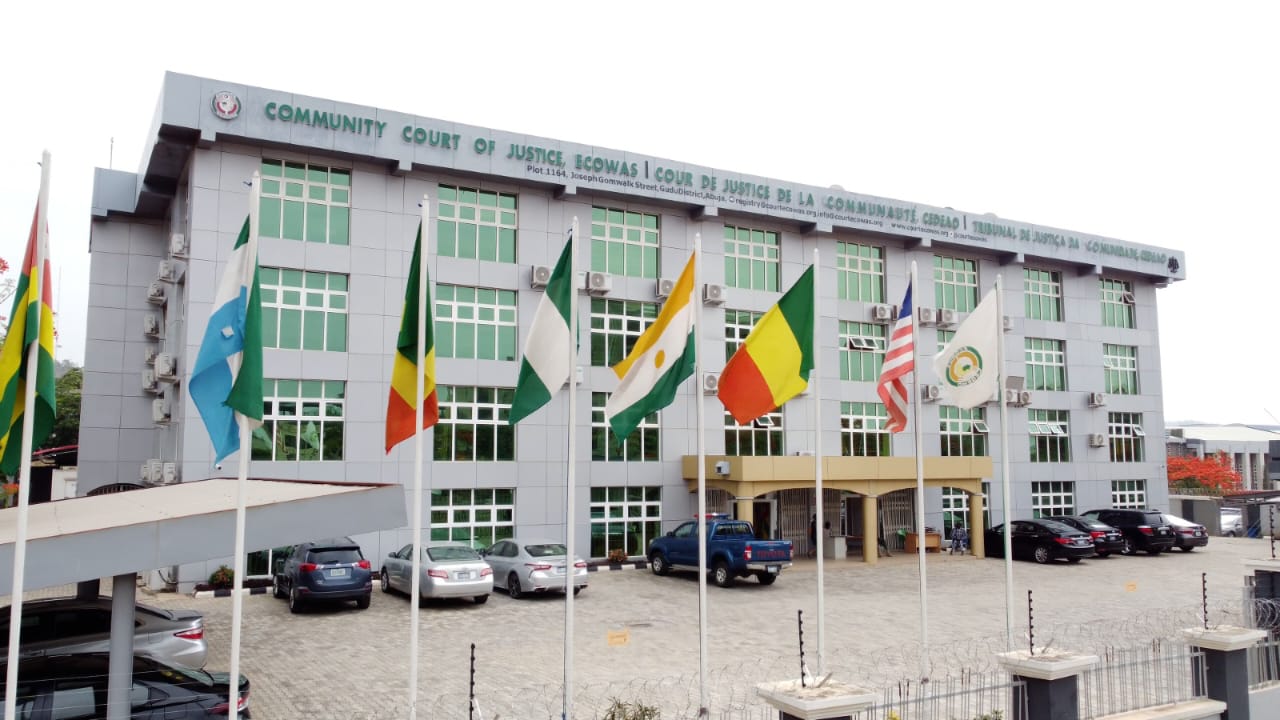
This week, the ECOWAS Court of Justice ruled that Togo’s recent constitutional reform establishing a parliamentary system is unconstitutional. Passed in March 2024, the amendments scrap direct presidential elections, transferring the power to lawmakers. The court declared the move an “unconstitutional change of government,” noting it was approved by an expired parliament. While the opposition labels the changes a power grab to allow President Faure Gnassingbe to rule indefinitely, the government defended them. The regional court’s decision gives Togolese opposition parties and human rights organizations strong legal support even though it is not legally binding.
The military junta in Guinea-Conakry announced an immediate ban on raw gold exports this week. The directive aims to retain more economic value domestically by encouraging the local establishment of gold refineries. Under the new regulations, mining companies must process gold locally before export, a move intended to generate jobs and increase national revenue. Guinea ranks among Africa’s top gold producers, but the sector has historically suffered from smuggling and minimal local processing. The government stated it would offer tax incentives to companies investing in domestic refining infrastructure.
The Nigerian Senate passed a landmark bill aiming to establish state police forces to operate alongside the existing federal structure. Approved by over a two-thirds majority, the legislation grants state governors the authority to appoint a security director (police commissioner), subject to approval by the state House of Assembly. To mitigate concerns regarding potential political abuse, the bill explicitly prohibits state police directors from arresting or detaining critics of the government, ensuring any enforcement action complies strictly with the law. Governors can issue general policy directives regarding public order and safety.
The Kenyan government signed a 154.2 billion shilling ($1.2 billion) agreement with China Road and Bridge Corporation to expand Jomo Kenyatta International Airport in Nairobi. The project aims to nearly triple the airport’s annual capacity, increasing it from 7.5 million to 22 million passengers to preserve Kenya’s status as East Africa’s primary aviation hub. The initiative will feature a new terminal building, refurbished infrastructure, and modernized aviation systems. This contract follows the cancellation of a previous 2024 expansion agreement with India’s Adani Group over corruption and bribery allegations.
Niger officially submitted its request to withdraw from the International Criminal Court (ICC) this week, following an intention declared nine months prior. The ICC confirmed receiving the withdrawal document on June 18, with the exit taking effect in one year. In late 2025, Niger, alongside its military-led allies Mali and Burkina Faso, collectively denounced the ICC as an “instrument of neo-colonial oppression.” The three nations, which recently exited ECOWAS to form the Confederation of Sahel States, plan to establish domestic judicial mechanisms. Niger becomes the third country to leave the global court, following Burundi and the Philippines.
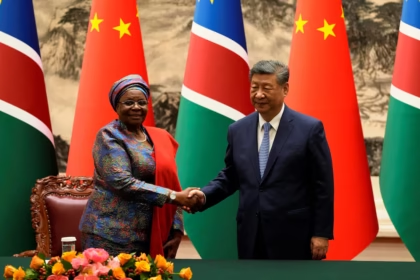
The Financial Action Task Force (FATF) has officially removed Namibia and Algeria from its “grey list” of countries under increased monitoring for money laundering and terrorist financing risks. Windhoek was originally placed on the watch list in February 2024 after international regulators identified thirteen strategic deficiencies in its financial oversight systems. According to Namibian officials, the country successfully addressed all thirteen action points ahead of the final May 2026 deadline. The removal is expected to significantly boost foreign investor confidence, reduce transaction compliance costs, and restore Namibia’s standing within the global financial system.
Burkina Faso’s military government has officially severed diplomatic relations with France, effective immediately. On state television, the junta accused its former colonial ruler of harboring “neo-colonial ambitions” and actively supporting subversive networks and terrorists. The government emphasized that the break strictly affects state-level institutional frameworks and does not disrupt the historical, cultural, or social bonds between the French and Burkinabe peoples. France’s Foreign Ministry strongly condemned the decision, labeling it a hostile and unfounded move, and stated that reciprocal measures are currently under review while prioritizing the safety of its citizens in the region.
Ghana finalized an agreement with its large-scale mining companies this week to purchase 30% of their gold output beginning July 1, 2026. Increasing from a previous 20% threshold, the program requires miners to sell gold locally to the state entity GoldBod in raw, unrefined form at a 0.55% discount, with transactions settled in Ghanaian cedis. The initiative aims to bolster foreign currency reserves significantly and support domestic economic stability. Additionally, the mandate is designed to enhance local processing capacity, with a strategic goal of securing international accreditation for at least one domestic gold refinery by 2030.
Tunisian President Kaïs Saïed inaugurated the fully restored and renovated Museum of the National Memory in Sejoumi, marking the 70th anniversary of the National Army. President Saïed toured several historic galleries, focusing on the armed resistance from 1881 to 1954 and the Battle of Bargou. He viewed historical models, portraits, and original documents from the national liberation era. After paying tribute to historical martyrs executed at the site, the president signed the museum’s guestbook, emphasizing the vital importance of safeguarding Tunisia’s national memory and heritage for future generations.
Somalia’s second deputy prime minister, Jibril Abdirashid Haji, was deported from Kenya this week, following a passport dispute at Nairobi’s Jomo Kenyatta International Airport. Haji arrived from Mogadishu on a Somali diplomatic passport with a valid visa, but immigration officers flagged him for allegedly possessing a fraudulently acquired Kenyan passport. When questioned, Haji admitted to having the document but refused to surrender it, insisting the matter be settled in court. He was detained in the airport’s VIP lounge before being sent back to Mogadishu. Neither government has issued an official statement regarding the incident.