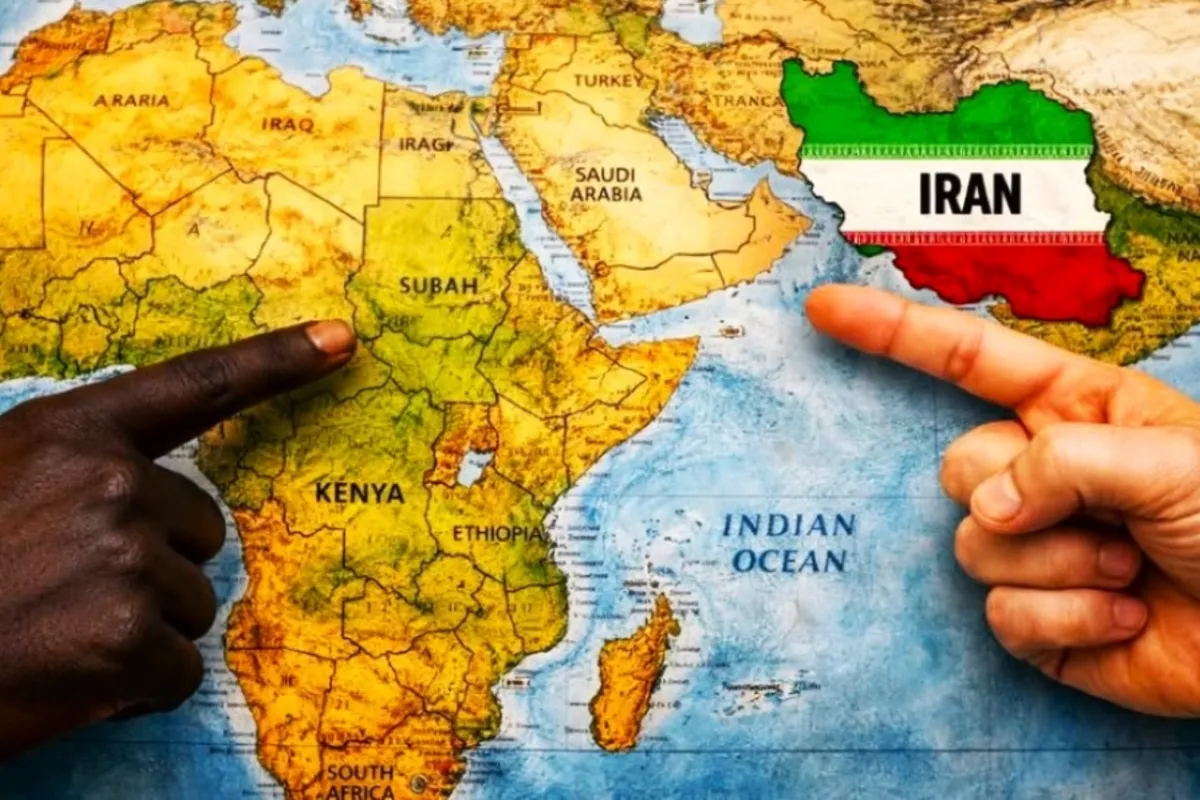
African countries have begun to respond to the fuel crisis caused by the US and Israel’s war in Iran by implementing measures, such as petrol dilution and electricity consumption restrictions, to cushion the effects of the hike in fuel prices. South Sudan is rationing electricity in Juba, while Mauritius is cutting wastage in high-consumption areas. In Ethiopia, suppliers are advised to prioritize certain sectors, such as transportation and agriculture, and Zimbabwe is increasing ethanol in petrol to reduce reliance on imported fuel. Kenya faces shortages at 20% of petrol stations, while Uganda reassures citizens of adequate fuel supply. Nigeria, Africa’s second largest oil producer, is willing to increase oil production. South Africa claims sufficient supplies but warns that prolonged conflict could impact future availability and pricing.
This week, Ghana signed a defense agreement with the European Union (EU) to bolster cooperation in counterterrorism and cybersecurity amid increasing terrorist activities in neighboring countries. The agreement, the first of its kind for an African nation, was finalized in Accra by EU foreign policy chief Kaja Kallas and Ghanaian Vice President Naana Jane Opoku-Agyemang. While Ghana has largely avoided militant violence, the surrounding West African region has seen significant threats from al-Qaeda and Islamic State affiliates. The agreement reflects the EU’s commitment to assist Ghana in confronting both national and regional security challenges, including the provision of military resources like drones and bomb disposal vehicles.
The United Nations Children’s Fund (UNICEF) announced that the ongoing Iran–Israel/US war has disrupted aid delivery in Somalia, causing potential increases in transport costs and delays. With $15.7 million in vital supplies at risk, executive director of UNICEF, Catherine Russell, warns that these challenges mean more children will experience suffering. So far, over 400 health facilities have closed due to U.S. funding cuts, exacerbating the crisis in areas like Laden, where hunger severely affects young children, already pushing them to the brink of malnutrition.
Congo and China have finalized a deal to enhance collaboration in Congo’s mining sector, given the nation’s role as a leading cobalt producer and its rich reserves of other battery metals. This agreement outlines geological data sharing and investment protection and encourages local processing of raw materials, alongside a compliance monitoring mechanism. Notably, Congo’s exports to China will gain duty-free access starting May 1, and the MIFOR iron ore project in northeastern Congo is set to receive priority support under this new cooperation framework.
In Tunisia, families of jailed opposition figures continue to advocate for democratic freedoms amid a significant crackdown on dissent by President Kais Saied. Over the past three years, the leaders of major opposition parties, alongside numerous politicians, journalists, and businessmen, have been detained on accusations of conspiring against state security, money laundering, and corruption—charges they reject as fabricated. This extensive repression has severely diminished free opposition voices. Though the government has not commented on these allegations so far, the president has claimed he is working to cleanse the country from corruption and traitors.
Spain and Algeria have made negotiations to enhance natural gas supplies, with Spanish Foreign Minister Jose Manuel Albares indicating a potential 10% increase via the Medgaz pipeline. This follows Albares’ meeting with Algerian President Abdelmadjid Tebboune, as geopolitical tensions in the Middle East impact the gas market. In the first two months of 2026, Algerian gas accounted for over 29% of Spain’s imports. Additionally, Italy’s Prime Minister Giorgia Meloni also expressed hopes for increased gas shipments from Algeria during her recent visit.
The International Organization for Migration (IOM) reported that at least nine people were killed and 45 others are missing after a shipwreck off the coast of Djibouti this week. The incident occurred on March 24 near Ombok, with the boat carrying 320 passengers. The IOM did not disclose the vessel’s origin or destination, but such accidents are common in the waters between the Horn of Africa and Yemen, frequently traveled by migrants from the Horn, particularly Ethiopia and Somalia, seeking employment in Gulf nations.
Mozambique is seeking assistance from the International Monetary Fund (IMF) due to increasing financial strain and rising public debt, as confirmed by an IMF spokesperson. The nation’s sovereign spread has reached 1,304 basis points, indicating severe financial distress. The previous IMF program ended in April 2025, and new discussions for support are anticipated during the IMF and World Bank Spring Meetings in Washington in April. Mozambique’s debt issues stem from a 2016 hidden-debt scandal that diminished investor confidence and delayed major gas projects. A recent finance ministry report highlights a 6.8% rise in public debt, totaling 474.0 billion meticais ($7.49 billion), and a 176.1% increase in short-term government loans from the central bank, representing 10.5% of domestic debt.
Chad has initiated the emergency relocation of approximately 2,300 refugees from its border with Sudan amid military preparations for retaliation against cross-border attacks, including a recent drone strike that killed 17 people. The relocation, primarily affecting women and children, started in the province of Ennedi Est and will extend to various border towns used as transit sites for refugees. President Mahamat Idriss Deby has ordered increased security at the border, with potential operations on Sudanese territory following the attacks.
Egypt’s Foreign Minister Badr Abdelatty announced at a press conference that Egypt, in collaboration with Pakistan and Turkey, is ready to host mediations between Iran and the US. He expressed readiness to host discussions aimed at de-escalating the ongoing US-Iran conflict, emphasizing the need for a diplomatic resolution that benefits all parties involved. Abdelatty cautioned that the window for negotiations may be closing and urged for a direct meeting between US and Iranian representatives. While Iran has dismissed an initial cease-fire proposal, there are indications of potential talks in Islamabad.