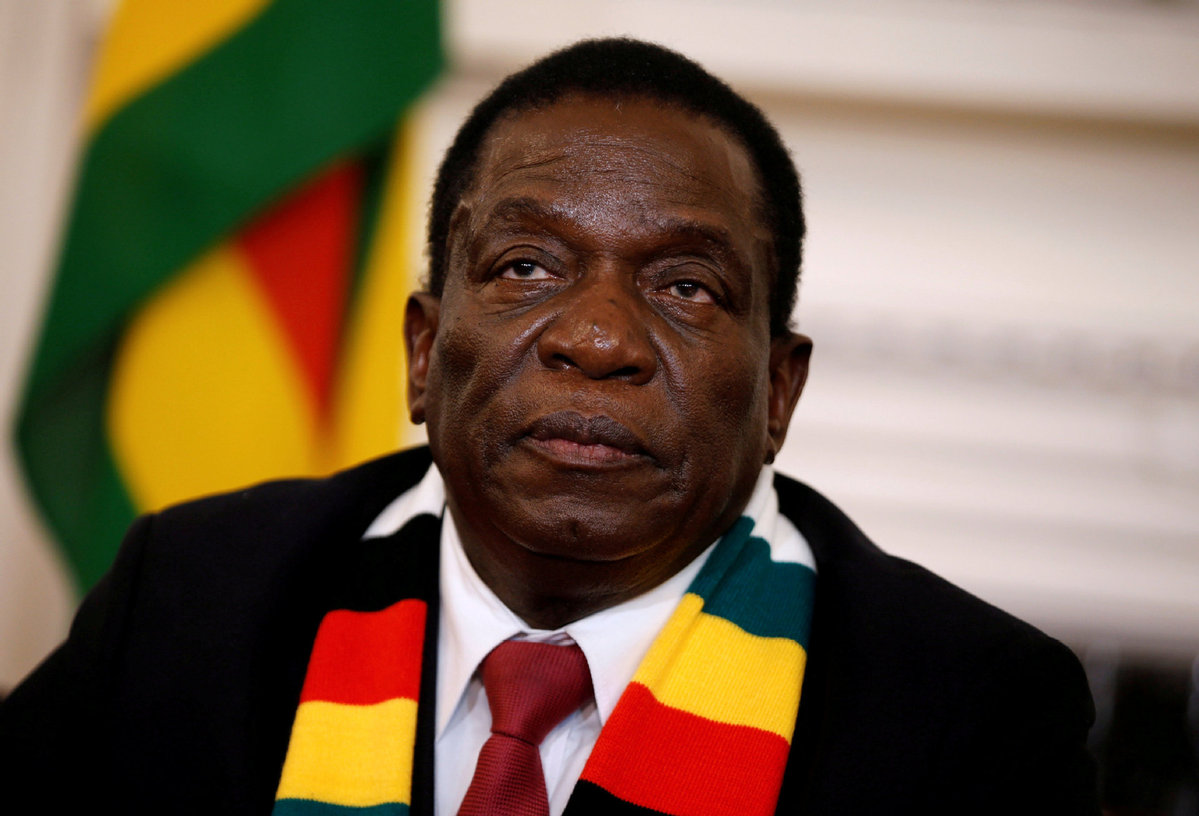
Zimbabwe imposed an immediate ban on the export of all raw minerals and lithium concentrates, including those currently in transit. Minister of Mines Polite Kambamura announced this measure to promote transparency, in-country processing, and accountability in mineral exports. The government aims to enhance local beneficiation, particularly as lithium is critical for battery-grade materials traditionally processed in China. Initially, the export ban on lithium was set for January 2027, intended to encourage domestic processing of the mineral.
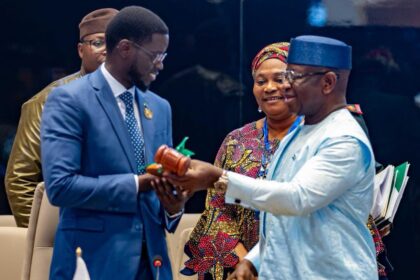
Guinea detained 16 Sierra Leonean soldiers, accusing them of illegally entering its territory at Koudaya and raising their flag. Guinea claims the soldiers set up a tent 1.4 kilometers inside its border, while Sierra Leone argues that its troops were constructing a border post on their own land. The soldiers’ equipment was seized, and an investigation has begun. This incident highlights an ongoing territorial dispute exacerbated by historical tensions since Guinea’s involvement in Sierra Leone’s civil war. Sierra Leone is seeking diplomatic solutions for the release of the soldiers, engaging with regional organizations such as ECOWAS.
Angola’s state oil company, Sonangol, is negotiating a $4.8 billion loan with Chinese financial institutions to partially fund the construction of a new refinery in Lobito. This would be Sonangol’s first borrowing from China since 2017. The project, estimated to cost $6.2 billion in total, is considered strategic by the Angolan government and is expected to begin production in December next year. Details on the specific Chinese institutions involved remain undisclosed, but the China Development Bank may be a potential source. A Sonangol team will visit Beijing for discussions in April, with no oil collateral involved in the financing terms.
Ethiopia’s President Taye Atske Selassie welcomed Israeli President Isaac Herzog to Addis Ababa for a two-day visit to enhance political and diplomatic ties. This visit follows Israel’s controversial recognition of Somaliland, with speculation that Herzog may seek Ethiopia’s support for similar recognition. Ethiopia, which signed a port access agreement with Somaliland in 2024, faces influences from allies like Turkey, suggesting caution on recognizing Somaliland. Selassie also expressed Ethiopia’s stance supporting a two-state solution for the Israel-Palestine conflict, while Herzog acknowledged the role of the Ethiopian Jewish community in bolstering relations between the two nations.
Chad has closed its eastern border with Sudan due to clashes resulting in the deaths of several Chadian soldiers and civilians amid the Sudanese civil war. Communications Minister Mahamat Gassim Cherif stated the closure aims to prevent the conflict from spilling into Chad and to protect citizens and refugees. The border will remain closed until further notice, though exceptions may be made for humanitarian reasons with government approval. Recent fighting between the Sudanese military and the paramilitary Rapid Support Forces led to multiple casualties in the border town of Tina, reflecting ongoing border tensions since the conflict began in April 2023.
Ghana’s Foreign Affairs Minister, Samuel Okudzeto Ablakwa, affirmed that at least 55 Ghanaians have died in the ongoing war in Ukraine, with two others reported as prisoners of war. He mentioned that around 272 Ghanaians have been lured into the conflict since 2022, as reported by Ukrainian authorities. Ablakwa expressed concerns over these statistics, stating they represent real lives and have significant implications for many Ghanaian families. He also emphasized the government’s commitment to combat illegal recruitment on the dark web and to raise public awareness to protect youth from being drawn into the conflict.
South Africa’s Finance Minister Enoch Godongwana announced that the nation’s debt burden is stabilizing for the first time in 17 years, with expectations to decrease from nearly 80% of GDP to 77.3% by 2026/27 and 76.5% the following year. Following a credit rating upgrade from S&P Global and removal from a money-laundering “grey list,” Godongwana noted these as signs of restored credibility. The government plans to allocate 2.67 trillion rand for 2026/27, increasing security spending to address high violent crime rates, alongside forecasting a 1.6% growth for the economy in 2026.
Scores of repatriated Burundians have recently returned from Tanzania as part of a Tanzanian government initiative to repatriate thousands of Burundians. UNHCR spokesperson Bernard Ntwari reported that 4,200 returnees were welcomed back from the Nduta refugee camp. Odette Kamariza, Director-General for Repatriation at the Burundian Ministry of the Interior, indicated that the government accelerated repatriations, planning to complete them by June. However, the UN notes that up to 17,000 Burundians in Tanzania fear returning due to safety concerns and potential political persecution.
Ali Larayedh, former Prime Minister of Tunisia, had his jail term reduced from 34 years to 24 years for allegedly aiding Tunisian jihadists in traveling to Syria during the Syrian war, a case known as “Tasfir.” The Appeals Court of Tunis confirmed the reduced sentence, which comes after the prosecution initially sought a longer term. Larayedh’s party, the Islamist opposition Ennahda, criticized the decision as “politically motivated,” and his first trial faced skepticism regarding evidence. Alongside him, seven others received sentences ranging from three to 28 years.
Nigerian President Bola Tinubu appoints Assistant Inspector-General Tunji Disu as Acting Inspector-General of Police, following the resignation of Inspector-General of Police, Mr. Kayode Egbetokun, due to family considerations. The President expressed confidence in AIG Disu’s leadership to navigate current security challenges. A meeting of the Nigeria Police Council is set to be held soon to consider Disu’s formal appointment, which will be forwarded to the Senate for confirmation.