بالعربي
Facebook Twitter Linkedin Youtube
Alafarika for Studies and Consultancy
Library
0

No products in the cart.

مكتبتنا (عربي)
  • Home
  • Reports
    • Geopolitics & Governance
    • Economy & Trade
    • Security & Conflict Resolution
    • Regional Integration & Global Cooperation
    • Education, Science & Technology
    • Culture & Media
  • Analyses
    • Geopolitics & Governance
    • Economy & Trade
    • Security & Conflict Resolution
    • Regional Integration & Global Cooperation
    • Education, Science & Technology
    • Culture & Media
  • Weekly Brief
  • Data
    • Charts
    • Infographics
  • Journals
  • Events
  • Country Profile
    • Nigeria
Font ResizerAa
Alafarika for Studies and ConsultancyAlafarika for Studies and Consultancy
Search
  • Home
  • بالعربي
  • Reports
    • Geopolitics & Governance
    • Economy & Trade
    • Security & Conflict Resolution
    • Regional Integration & Global Cooperation
    • Education, Science & Technology
    • Culture & Media
  • Analyses
    • Geopolitics & Governance
    • Economy & Trade
    • Security & Conflict Resolution
    • Regional Integration & Global Cooperation
    • Education, Science & Technology
    • Culture & Media
  • Weekly News Brief
  • Journals
  • Data
    • Infographics
    • Charts
  • Events
  • Country Profile
    • Nigeria
Follow US
  • About
  • Request A Report/Study
  • Consult With Us
  • Call to Host/Train
  • To Publish With Us
All Rights Reserved | Alafarika for Studies and Consultancy © 2026.
Weekly News Brief

Uganda, Tanzania, oil firms sign accords to construct 3.5 billion pipeline

Hammed J. Sulaiman
By
Hammed J. Sulaiman
Last updated: April 11, 2021
3 Min Read
Share

Uganda, Tanzania, and the oil companies Total and CNOOC signed agreements on Sunday to begin construction of a $3.5 billion crude pipeline to transport crude from western Uganda’s fields to foreign markets. 

Since Britain’s Tullow Oil left Uganda last year, France’s Total and China’s CNOOC now own the country’s oilfields. 

According to Robert Kasande, Uganda’s permanent secretary for energy, the signatories have now decided “to start investment in the construction of infrastructure that will produce and transport the crude oil,” 

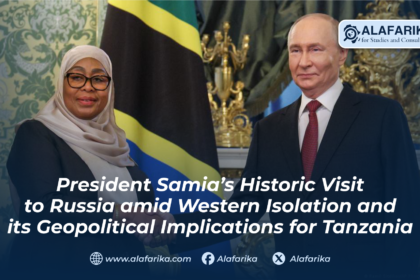
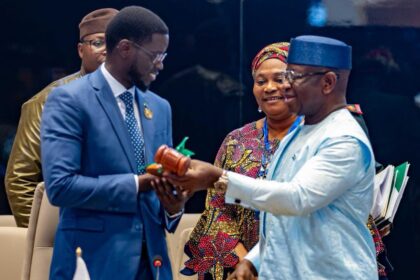
On her first official visit, Tanzanian President Samia Suluhu Hassan joined Ugandan President Yoweri Museveni in signing the three agreements, which included a host country arrangement for the pipeline, a tariff and shipping agreement, and a shareholding agreement.

In 2006, Uganda found oil deposits in the Albertine rift basin, which is located in the west of the country near the DRC boundary. Total reserves are estimated to be 6 billion barrels by government geologists. 

However, to export the oil to foreign markets, the landlocked east African nation needs a pipeline. 

With a length of 1,445 kilometers (898 miles), the East African Crude Oil Pipeline (EACOP) will link the oilfields to Tanga, Tanzania’s Indian Ocean seaport. 

According to Reuters, since Ugandan crude is extremely viscous, it must be heated to keep it liquid enough to flow. 

EACOP, according to Total, may be the world’s longest electrically heated crude oil pipeline. 

“It’s a very large project, one of the largest we should develop on this continent,” Total’s CEO, Patrick Pouyanné revealed, adding they expected oil production to commence in early 2025.

Pouyanné estimated that more than $10 billion in investments will be needed to get Ugandan crude flowing. 

According to Reuters, environmentalists have objected to the pipeline, claiming that it would endanger ecologically fragile areas along its course, such as nature parks and water catchment areas for Lake Victoria. 

Approximately 263 non-governmental organizations (NGOs) from around the world have asked the CEOs of 25 banks to refuse to lend loans to finance the pipeline. 

Local populations, water sources, and wildlife in Uganda, Tanzania, the Democratic Republic of Congo, and Kenya, they say, will be severely harmed by the project. 

“This pipeline project can be a core of bigger deployments,” Museveni said, adding that investors ight use the EACOP land corridor to build a new pipeline to transport gas from Tanzania and Mozambique to Uganda, Rwanda, Congo, and other countries in the region.

Keywords:EconomyOil dealTanzaniaUganda

Sign Up For Weekly Newsletter

Subscribe to our newsletter to get our weekly briefs, reports, and analysis instantly!

By signing up, you agree to our Terms of Use and acknowledge the data practices in our Privacy Policy. You may unsubscribe at any time.
Share This Article
Facebook Whatsapp Whatsapp LinkedIn Reddit Threads Email Copy Link Print
ByHammed J. Sulaiman
Educator, writer and legal researcher at Alafarika for Studies and Consultancy.

SUBSCRIBE NOW

Subscribe to our newsletter to get our weekly briefs, reports, and analysis instantly!

WHAT OTHERS ARE READING

Chad and the Crisis of Statehood in the Sahel: Collapse, Resilience, or Transformation?

AnalysesSecurity & Conflict Resolution
June 2, 2026

Can the 2026 Ethiopia General Election Secure a Fractured Nation?

On June 1, 2026, Ethiopia is scheduled to hold its 7th General Election to fill…

May 31, 2026

Faye-Sonko Fallout: Senegal’s Political Tension Amid Economic Crisis

In political philosophy, one of its powerful core concepts is a classic realist principle, attributed…

May 25, 2026

Africa This Week (23/05/2026)

This week, the death toll from the ongoing Ebola outbreak in the eastern Democratic Republic…

May 23, 2026

From The Same Section

AnalysesSecurity & Conflict Resolution

Nigeria-US Elimination of ISWAP’s Abu-Bilal Al-Minuki: What Does It Mean, and What are the Future Expectations?

For over 50 years, the United States of America and the Federal…

By
Ahmadulbadawy AbdulRaheem
May 18, 2026
AnalysesRegional Integration & Global Cooperation

Africa Forward Summit: A New Policy for The Continent or A Familiar Script?

For decades, France’s relationship with the African continent was shaped by a…

By
Ahmadulbadawy AbdulRaheem
May 14, 2026
Security & Conflict Resolution

The April 2026 Mali Offensive: A Turning Point in the Sahel’s Security Architecture

Introduction Landlocked Mali is part of the Sahel, a vast strip of…

By
Oyebamiji Adesoji
May 8, 2026

Discover More

Africa This Week (16/05/2026)

Weekly News Brief
May 16, 2026

Africa This Week (09/05/2026)

Weekly News Brief
May 10, 2026

Africa This Week (02/05/2026)

Weekly News Brief
May 1, 2026

Africa This Week (25/04/2026)

Weekly News Brief
April 25, 2026
Registered and Certified by:

Follow us: 

Other Pages

  • About
  • Request A Report/Study
  • Consult With Us
  • Call to Host/Train
  • To Publish With Us

Quick Links

  • Events
  • Library
  • Journals
  • Privacy Policy
  • Contact
All Rights Reserved | Alafarika for Studies and Consultancy © 2026.
Get Updated!
Subscribe to our newsletter and never miss our latest reports, analyses, publications, and other events.

Zero spam, Unsubscribe at any time.
Welcome Back!

Sign in to your account

Username or Email Address
Password

Lost your password?